


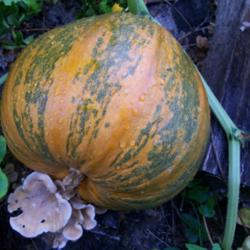
You can plant vining crops in rows, hills, or mounds depending on the layout of your garden.
Row PlantingA row is seeds planted at regular intervals in a straight line. After preparing the soil and working it one last time on planting day, mark the row by stretching a string along the ground between two stakes.
Using a hoe or tiller, make a furrow beside the string. The depth of the furrow depends on your fertilizer. If you use a commercial fertilizer, the furrow only has to be three to four inches deep. If you have bulkier organic matter, make a four- to six-inch-deep furrow, spread two to three inches of manure in it, and top that with two to three inches of soil.
Drop a seed every six to eight inches in the row, depending on the variety. Firm the seeds into the soil with your hand or the back of a hoe, creating good contact between seeds and soil; this is the key to good germination. Cover the seeds with 3/4 to 1 inch of soil and firm again.
HillsWhen it comes to planting, a hill isn't raised soil; it's a circle of four to eight seeds. Use similar planting techniques for hills as you would for rows. Mark the planting area, but instead of making a furrow, dig a four- to eight-inch hole for each hill, depending on the bulk of the fertilizer. Space the holes 3 to 10 feet apart, depending on the vegetable. Place either organic or commercial fertilizer such as 5-10-10 in the hole and fill it back to ground level, making sure that at least two inches of soil cover the fertilizer.
Plant six to eight seeds on the perimeter of a circle at each hill, allowing two to three inches between seeds. Drop each seed, firm, cover with soil and firm again, just as in rows. When the seedlings emerge, thin each hill down to the best four or five plants. The extra seeds just ensure a full hill, even if germination is poor.
MoundsIt's important for vine crops that the soil be dry and warm. If your soil stays very wet and you've had trouble raising healthy vine crops, try building up the hills into three- to five-inch-high mounds before planting. Then plant the way you would for hills. These mounds aid the plant's germination and improve the growing environment because the soil warms up and dries out faster.
Vine SpacingGenerally, the longer the growing season, the more the vines will spread, so you'll want to allow more room for winter squash and melons than for summer squash and cucumbers.
Here are some guidelines for seed and row spacing. You can always plant seeds closer together, just for the insurance of good germination. It's easy to thin if there are too many young plants in a row or a hill; it's harder to patch up an incomplete row.
Seeds in RowsCucumber -- 6 to 8 inches apart
Summer Squash -- 8 to 10 inches apart
Winter Squash -- 10 to 12 inches apart
Pumpkins -- 10 to 12 inches apart
Cantaloupe -- 6 to 8 inches apart
Watermelon -- 6 to 8 inches apart
TransplantsCucumber -- 8 to 10 inches apart
Summer Squash -- 10 to 12 inches apart
Winter Squash -- 12 to 14 inches apart
Pumpkins -- 12 to 14 inches apart
Cantaloupe -- 8 to 10 inches apart
Watermelon -- 10 to 12 inches apart
Rows or HillsCucumber -- 4 to 6 feet apart
Summer Squash -- 4 to 6 feet apart
Winter Squash -- 6 to 10 feet apart
Pumpkins -- 6 to 10 feet apart
Cantaloupe -- 4 to 6 feet apart
Watermelon -- 6 to 8 feet apart
To thin the rows or hills, allow the same spacing as for transplants. Sprouted seeds are spaced exactly like non-sprouted seeds.
Planting TricksPlanted with vine crops radishes seem to repel some harmful insects, such as cucumber beetles and black flea beetles. Whether it's their sharp odor or because they exude some chemical that insects dislike, radishes work. Plus, they sprout quickly to mark the row, so you won't disturb the germinating seeds when you cultivate around the hills or rows to keep down weeds.
Sprinkle a few radish seeds in each planting spot. Any early maturing variety will do. Leave the radishes in place until they're way beyond the eating stage. Pull them up when you harvest the first small fruits from the vine. As you remove the radishes, you loosen the soil around the base of the plants, leaving good-sized cavities where the radish roots were. These holes become ducts for air and water, keeping the vine roots better supplied.
Radishes are most effective at warding off insects when vine crops are young. This is also when cucumber beetles can do the most damage, spreading disease that can knock out an entire young crop. By the time the radishes lose some of their potency, the vines are strong and well-established.
 Victory Seed Company has all the seeds you want for your best garden in 2024.
For 25 years, the family-owned Victory Seed Company has provided the highest quality vegetable, herb and flower seeds to families across the country. We are passionate about providing you the best seeds available that give excellent germination, robust plants, and the harvest you want. With a catalog of over a thousand varieties, we have everything, and our prices are the kinds that we'd want to pay. We have hundreds of yesterday's heirloom vegetables, as well as today's award winning hybrid selections. Get to know us by visiting our website and browsing through our online vegetable seed catalog.
| 1. Planting Vine Crops ← you're on this article right now |
| 2. Soil Prep for Vine Crops |
| 3. Jump Starting the Melon Season |
| 4. Transplanting Vine Crops |
| 1. Planting Vine Crops ← you're on this article right now |
| 2. Soil Prep for Vine Crops |
| 3. Jump Starting the Melon Season |
| 4. Transplanting Vine Crops |
