Plant Care Guides
Perennials | Bulbs | Trees and Shrubs | Vegetables | Fruits | Herbs
PerennialsAsterBearded Iris Bee Balm Bleeding Heart Dianthus Coralbells Coreopsis Shasta Daisy Daylily Delphinium Coneflower Astilbe Foxglove Geranium Hosta Oriental Poppy Penstemon Ornamental Grasses Peony Phlox Rudbeckia Salvia Sedum Veronica Yarrow Bellflower Baptisia Blanket Flower Catmint Anemone Russian Sage Baby's Breath Lamb's Ears Columbine Dead Nettle |
Rudbeckia
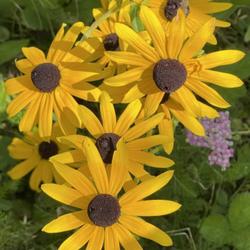
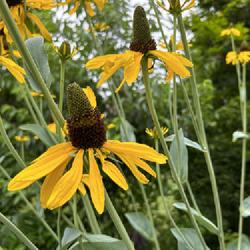
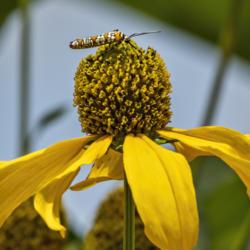
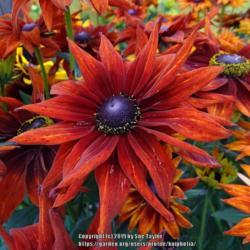
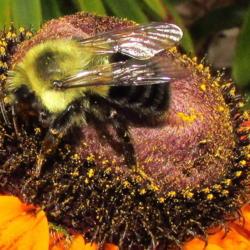
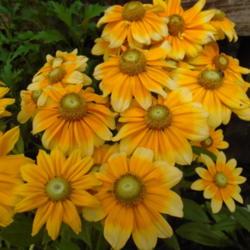
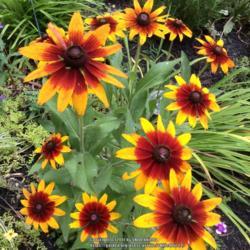
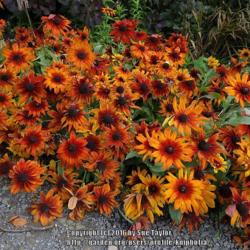
About This PlantRudbeckia's bright, summer-blooming flowers give the best effect when planted in masses in a border or wildflower meadow. Some species also have attractive gray-green foliage. In general, rudbeckias are relatively drought-tolerant and disease-resistant. Flower colors include yellow and gold, and the plants grow 2 to 6 feet tall, depending on the variety.Special FeaturesEasy care/low maintenanceMultiplies readily Good for cut flowers Attracts butterflies Tolerates dry soil Site SelectionSelect a site with full sun to light shade and well-drained soil.Planting InstructionsPlant in spring, spacing plants 2 to 3 feet apart, depending on the variety. Prepare the garden bed by using a garden fork or tiller to loosen the soil to a depth of 12 to 15 inches, then mix in a 2- to 4-inch layer of compost. Dig a hole twice the diameter of the pot the plant is in. Carefully remove the plant from its container and place it in the hole so the top of the root ball is level with the soil surface. Carefully fill in around the root ball and firm the soil gently. Water thoroughly.CareApply a thin layer of compost each spring, followed by a 2-inch layer of mulch to retain moisture and control weeds. Water plants during the summer if rainfall is less than 1 inch per week. After the first killing frost, cut stems back to an inch or two above soil line. Divide plants every 3 to 4 years as new growth begins in the spring, lifting plants and dividing them into clumps. |