Plant Care Guides
Perennials | Bulbs | Trees and Shrubs | Vegetables | Fruits | Herbs
PerennialsAsterBearded Iris Bee Balm Bleeding Heart Dianthus Coralbells Coreopsis Shasta Daisy Daylily Delphinium Coneflower Astilbe Foxglove Geranium Hosta Oriental Poppy Penstemon Ornamental Grasses Peony Phlox Rudbeckia Salvia Sedum Veronica Yarrow Bellflower Baptisia Blanket Flower Catmint Anemone Russian Sage Baby's Breath Lamb's Ears Columbine Dead Nettle |
Delphinium
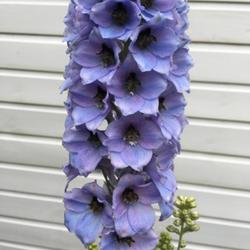
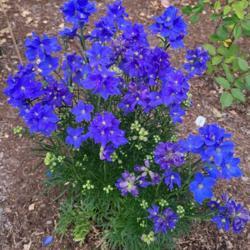
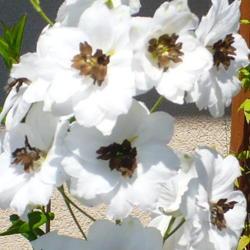
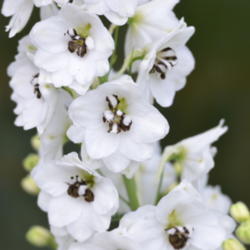
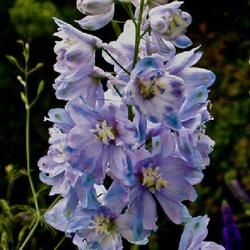
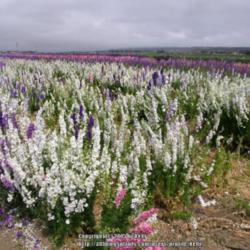
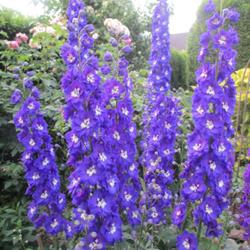
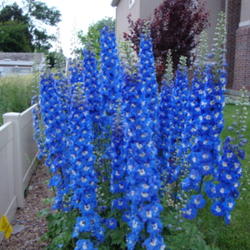
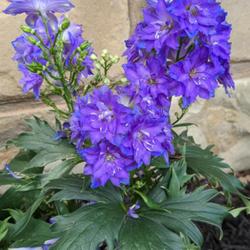
About This PlantDelphiniums thrive in regions with relatively cool and moist summers, and often struggle in hot, dry summer weather. However, some new varieties are more tolerant of heat. Delphiniums are available in a range of sizes, from dwarf varieties less than 2 feet tall to those with towering, 6-foot blooms. Flower color includes blue, red, white, and yellow; however, the rich, clear blues are especially prized by many gardeners. The plants bloom in late spring to early summer, and the flowers are suitable for cutting.Special FeaturesGood for cut flowersSite SelectionSelect a site with full sun to light shade and well-drained soil. Choose an area protected from strong winds to keep tall, top-heavy varieties from blowing over.Planting InstructionsPlant in spring, spacing plants 1 to 3 feet apart, depending on the variety. Prepare the garden bed by using a garden fork or tiller to loosen the soil to a depth of 12 to 15 inches, then mix in a 2- to 4-inch layer of compost. Dig a hole twice the diameter of the pot the plant is in. Carefully remove the plant from its container and place it in the hole so the top of the root ball is level with the soil surface. Carefully fill in around the root ball and firm the soil gently. Water thoroughly.CareApply a thin layer of compost each spring, followed by a 2-inch layer of mulch to retain moisture and control weeds. Water plants during the summer if rainfall is less than 1 inch per week. Soil should never dry out. Stake tall varieties to prevent hollow flower stalks from snapping in the wind, and deadhead after flowering to encourage rebloom. After the first killing frost, cut stems back to an inch or two above soil line. Divide plants every three to four years as new growth begins in the spring, lifting plants and dividing them into clumps. |