Plant Care Guides
Perennials | Bulbs | Trees and Shrubs | Vegetables | Fruits | Herbs
PerennialsAsterBearded Iris Bee Balm Bleeding Heart Dianthus Coralbells Coreopsis Shasta Daisy Daylily Delphinium Coneflower Astilbe Foxglove Geranium Hosta Oriental Poppy Penstemon Ornamental Grasses Peony Phlox Rudbeckia Salvia Sedum Veronica Yarrow |
Bee Balm
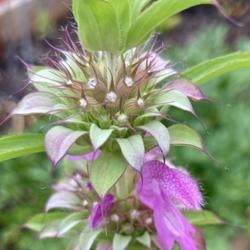
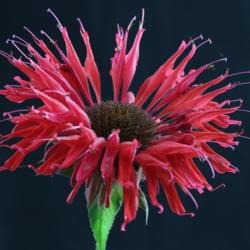
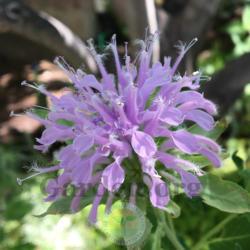
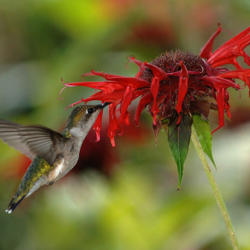
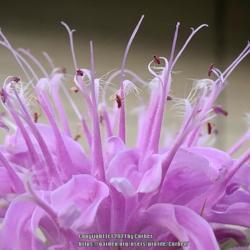
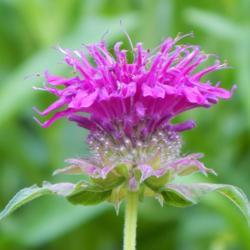
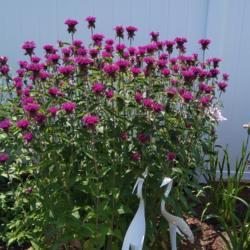
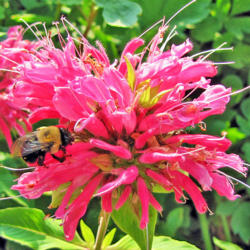
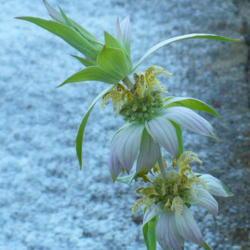
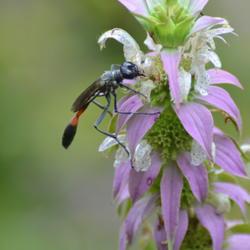
About This PlantBee balm flower colors include pink, red, and white; new double-flowered forms are also available. The plant blooms from early to late summer and grows 2 to 4 feet tall, depending on the variety. Some bee balm species tolerate wet soil and will thrive along a waterway or in a bog garden. Bee balm is susceptible to powdery mildew disease, so select resistant varieties. Under favorable growing conditions the plant can become invasive.Special FeaturesEasy care/low maintenanceMultiplies readily Attracts hummingbirds Attracts butterflies Tolerates wet soil Site SelectionSelect a site with full sun to light shade and rich, well-drained soil. Some species tolerate wet soils, while others are adaptable to a wide range of soil moisture levels.Planting InstructionsPlant in spring or fall, spacing plants 1 to 2 feet apart. Prepare garden bed by using a garden fork or tiller to loosen soil to a depth of 12 to 15 inches, then mix in a 2- to 4-inch layer of compost. Dig a hole twice the diameter of the plant's container. Carefully remove the plant from its pot and place it in the hole so the top of the rootball is level with the soil surface. Carefully fill in around the rootball and firm the soil gently. Water thoroughly.CareApply a thin layer of compost each spring, followed by a 2-inch layer of mulch to retain moisture and control weeds. Water plants during the summer if rainfall is less than 1 inch per week. Remove spent flowers to keep plants looking tidy. After the first killing frost, cut stems back to an inch or two above soil line. Divide plants in spring every few years or when you notice the center of the plant dying out. |