

Introduction
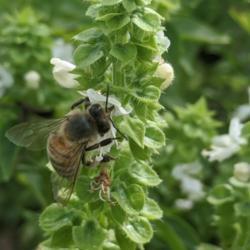
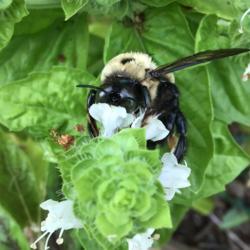
If you do any Italian cooking at all, you'll want to include basil in the herb garden. Basil can't be planted until after the last frost date, but in the heat of summer it will produce abundantly.
About Basils
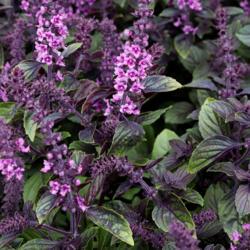
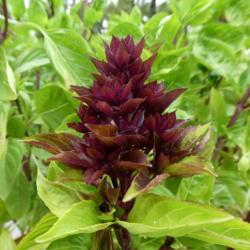
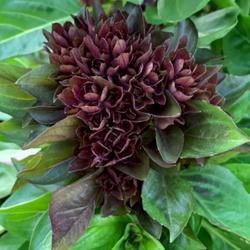
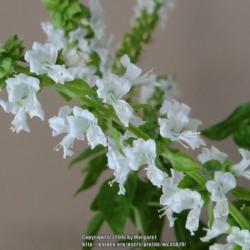
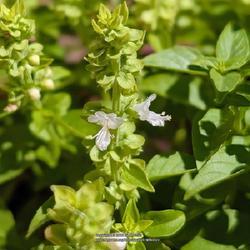
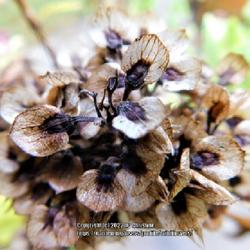
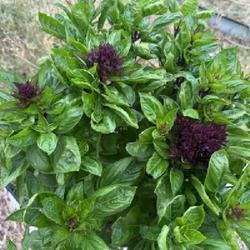
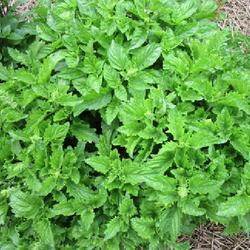
There are several types of basil to choose from. The most common is bush or sweet basil, a compact plant growing to 18 inches or so during the season. Purple basil adds a splendid burgundy color to the garden. It can be used like common basil, though it's a little less sweet. The purple leaves create a beautiful color when steeped in white vinegar. Recently rediscovered by many cooks, lemon basil adds a lemony basil fragrance to both the garden and the kitchen. Thai basil adds a licorice flavor and tastes great in Asian cooking. Basil is a heat-loving annual herb.
For those interested in culinary varieties, Genovese basil (a sweet basil variety) is particularly vigorous and slow to bolt, making it excellent for pesto. Dwarf or bush basil varieties like 'Spicy Globe' and 'Piccolo Verde' bear small, narrow leaves with a sweeter, less pungent smell than large-leaf types; the stems are quite soft and succulent, so sprigs can be chopped up, stems and all. Lettuce leaf basil, such as 'Mammoth' and 'Napoletano', is a short, wide plant with thick, very crinkled leaves that is slow to bolt and works well tossed into salads. Purple varieties like 'Dark Opal' can be quite beautiful for ornamental interest. Other exotic basil types include lemon basil with its distinctive lemony aroma, licorice or anise basil with dark foliage and distinctive spicy flavors, cinnamon basil, and Thai, East Indian, Puerto Rican and Cuban basils suited to their local cuisines.
Choosing a Site to Grow Basils
Plant in full sun in moist, well-drained soil.
Planting Instructions for Basils
Start seeds indoors six weeks before the last frost date or seed directly in the garden (about 1/4 inch deep) after the last frost date when soil is warm. Set transplants or thin seedlings to stand at least 10 to 12 inches apart; more room (16 to 24 inches apart) will encourage low, bushy plants to develop.
When transplanting outdoors, wait until night temperatures are above 55 degrees F. Do not mulch until the soil is thoroughly warmed up. Basil tolerates a wide pH range from 4.5 to 6.5.
Ongoing Care for Basils
Pinch off the center shoot of the basil plant after it has grown for 6 weeks to force side growth and prevent early flowering. If flower stalks do develop, cut them off. Mulch is recommended in hot areas since basil likes a steady moisture supply.
Basil is generally pest-free, though a few pests and diseases can occur. Japanese beetles can easily be kept off with spunbonded polyester row covers. If slugs are a problem on new transplants, try using a barrier of copper flashing.
A devastating disease, fusarium wilt of basil, can reach North American gardens via infected seed. Symptoms include sudden wilting and leaf drop, accompanied by dark streaks on the stems, usually in weather above 80 degrees F. If you notice these symptoms, quickly dig up the infected plant, along with all soil around the roots, and discard it. If part of your garden becomes infected, avoid spreading the disease by moving soil around on your tools or tiller, and consider growing your basil in containers. You can also try your luck with a fusarium-resistant variety, such as 'Nufar'.
Basil is also susceptible to a few bacterial rots that show up on stems or leaf clusters, usually in cool, wet weather or late in the season. Planting in well-drained soil, spacing plants so they dry out after they're watered, and practicing good garden sanitation are the keys to control.
Basil likes a fertile soil, though it tolerates a wide range of pH. Although some folks insist that the flavor is better if basil isn't fertilized, it grows and looks better if it's fed at planting time, and again during the season, perhaps after a heavy picking. Supplemental irrigation can double yields.
Early cold weather can ruin a maturing crop, so be sure to harvest if temperatures are expected to dip below 40 degrees F.
How to Harvest Basils
Basil is at its most pungent when fresh. The best time to harvest is just as the plant starts to bud, well before flowers bloom. Snip leaves or branches at this time and pinch off flower buds to keep the plant productive. You also can cut the entire plant about 6 to 8 inches above ground, leaving at least one node with two young shoots intact. The plant should produce a second but smaller harvest several weeks later.
To extend storage life, harvest basil in the late afternoon or evening rather than early morning. Studies show that basil picked late in the day keeps twice as long as basil picked early in the morning. In fact, basil picked in the evening and stored in plastic at room temperature (around 60 degrees F) in a cool, dark place can last for 10 to 14 days. At refrigerator temperature (around 41 degrees F), basil only keeps two to three days.
Since the leaves lose some of their flavor when dried, freezing is the best method for winter storage. To quick-freeze basil, dry whole sprigs and pack them in plastic bags with the air pressed out. Alternatively, keep fresh stems in a jar of water on the kitchen counter like cut flowers; they will last a long time, dry out less quickly, and may conveniently root some plants for winter. When storing basil stems in water, treat them like cut flowers, changing the water frequently. You can also add something like lemon juice to the water to bring down the pH and retard bacterial growth.
To dry basil, pinch off the leaves at the stem and dry them in a shady, well-ventilated area. Check in 3 or 4 days, and if they are not totally dry, finish drying in the oven, otherwise the leaves may turn brown or black. Use the lowest heat possible with the door slightly open, turn leaves for even drying, and check frequently.
Common Questions
My kitchen basil has gone pale and floppy and lost its scent. What is wrong?
This combination of symptoms, pale colour, stems that stretch and then lie down, and a weak aroma, is the classic picture of a basil plant that is not getting enough light, and it is the usual outcome of growing it on a windowsill.
Basil is a full-sun annual. A bright, unobstructed south-facing window is about the minimum it will accept indoors, and even that delivers far less than an outdoor bed. Without that light the plant stretches for it, the distance between leaf pairs grows long, the stems never thicken enough to hold themselves up, and the aromatic oils that give basil its flavour and scent never build up properly.
Pinching will not fix it. Pinching the growing tip is the right thing to do to a healthy plant, as described in the care section above, but it redirects growth rather than creating it, and no amount of it substitutes for light. Move the box to the brightest spot you have, or set a grow light close above the plants and run it for most of the day.
Two other things are worth checking once light is sorted out. Water when the surface of the mix has dried rather than on a fixed schedule, since both extremes show up as poor colour. And if the plants are several inches tall and have never been fed, pale foliage may partly be hunger; feeding at the rate the product label gives will help.
Keep expectations realistic. Indoor basil in winter is a short-term crop even under good light. Sowing a small batch every few weeks gives better results than nursing one tired box along.
Tiny round holes are appearing in my basil leaves but I cannot find any insects.
That pattern, small clean perforations scattered across the leaf as if it had been peppered with shot, is characteristic of flea beetles. The reason you cannot find them is that they are only a couple of millimetres long, dark and shiny, and they jump away the instant they are disturbed. Look early in the morning while they are still sluggish, or watch the leaf surface for a second before leaning in.
The damage is mostly cosmetic on an established plant, which outgrows it. On young seedlings it is more serious and can check them badly.
The most effective control is physical. Lay a lightweight floating row cover over the planting and seal the edges, which excludes the beetles entirely, in the same way the guide recommends covers for Japanese beetles. Keeping the surrounding area free of weeds removes the shelter they overwinter and feed in, and moving the herb planting to a different spot each year helps break the cycle.
If you want to treat, repellent-type sprays of the garlic or neem class are the usual choice for this pest. Because basil is a leaf crop that gets picked and eaten fresh, and often picked repeatedly, choose a product whose label specifically lists basil or culinary herbs, and follow the label directions for how much to use, when to apply it, and how long to wait between treating and harvesting. The label is what governs safe use on anything you are going to eat.