

Introduction
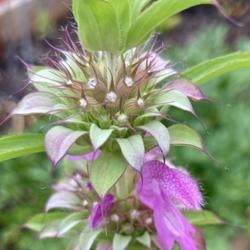
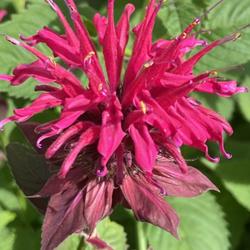
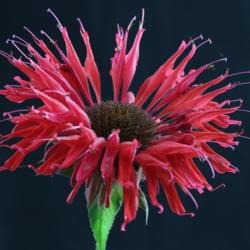
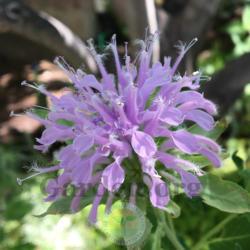
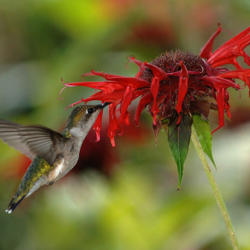
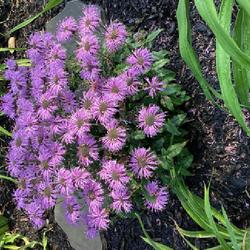
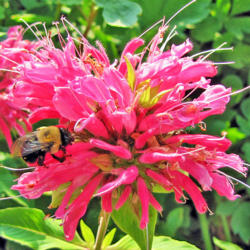
Bee balm flowers are brilliant additions to late-summer herb gardens and flower borders. Butterflies, hummingbirds, bees, and other nectar-seeking creatures covet the tubular flowers on the plant's rounded flower heads, and the leaves and flowers can also be made into tea. Other common names include horsemint, wild bergamot, and Oswego tea.
About bee balms
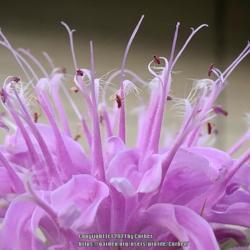
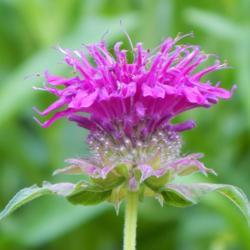
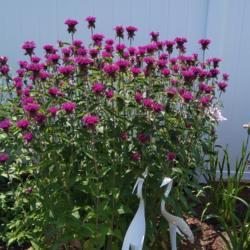
Bee balm flower colors include pink, red, and white; new double-flowered forms are also available. The plant blooms from early to late summer and grows 2 to 4 feet tall, depending on the variety. Some bee balm species tolerate wet soil and will thrive along a waterway or in a bog garden. Bee balm is susceptible to powdery mildew disease, so select resistant varieties. Under favorable growing conditions the plant can become invasive.
Special features of bee balms
Easy care/low maintenance
Multiplies readily
Attracts hummingbirds
Attracts butterflies
Tolerates wet soil
Choosing a site to grow bee balms
Select a site with full sun to light shade and rich, well-drained soil. Some species tolerate wet soils, while others are adaptable to a wide range of soil moisture levels.
Planting Instructions
Plant in spring or fall, spacing plants 1 to 2 feet apart. Prepare garden bed by using a garden fork or tiller to loosen soil to a depth of 12 to 15 inches, then mix in a 2- to 4-inch layer of compost. Dig a hole twice the diameter of the plant's container. Carefully remove the plant from its pot and place it in the hole so the top of the rootball is level with the soil surface. Carefully fill in around the rootball and firm the soil gently. Water thoroughly.
Ongoing Care
Apply a thin layer of compost each spring, followed by a 2-inch layer of mulch to retain moisture and control weeds. Water plants during the summer if rainfall is less than 1 inch per week. Remove spent flowers to keep plants looking tidy. After the first killing frost, cut stems back to an inch or two above soil line. Divide plants in spring every few years or when you notice the center of the plant dying out.
Bee balm varieties and species
Bee balm, bergamot, Oswego tea (Monarda didyma)
Perennial; zones 4 through 9. The dominant bee balm species with brilliant flowers atop 3 to 4 foot stems that attract ruby-throated hummingbirds and sphinx moths. Choose mildew-resistant varieties, particularly in regions with hot, dry summers.
Mildew-resistant varieties:
- 'Marshall's Delight' - bright pink flowers, 3 feet tall. A three-year University of Vermont trial and four-year Chicago Botanic Garden trial both confirmed this variety's superior mildew resistance: fewer than 20 percent of leaves showed mildew in the Vermont study, and no more than 5 percent of foliage was infected in the Chicago trial.
- 'Jacob Kline' - intense red flowers
Other popular varieties:
- 'Alba' and 'Snow White' - large white flowers
- 'Blue Stocking' - violet flowers
- 'Cambridge Scarlet' - bright red flowers
- 'Croftway Pink' - clear pink flowers
- 'Gardenview Scarlet' - red flowers
- 'Violet Queen' - early bloomer with lavender flowers
Wild bergamot (Monarda fistulosa)
Perennial; zones 3 through 9. Thrives in places with cool summers and grows 3 to 4 feet tall. Produces lavender-pink flowers in late summer. More drought-tolerant than M. didyma.
Lemon bee balm (Monarda citriodora)
Annual, all zones; can be grown as short-lived perennial in zones 8 to 11. Noted for citrus scent, one of the shorter types (2.5 to 3 feet tall), perfect for borders. Hummingbirds love the pale lavender flowers.
Spotted horsemint (Monarda punctata)
Annual or short-lived perennial; all zones. Two-foot plant producing tiers of showy pink bracts and dense whorls of purple-spotted yellow flowers. Blooms from early summer until frost. Tolerates dry soil and rarely suffers from powdery mildew. Start from seed sown in early spring.
Monarda pringlei
Annual or short-lived perennial; all zones. Only 18 inches tall but bees, butterflies, and hummingbirds visit throughout the long blooming season. Does not get powdery mildew. Glossy, dark green foliage remains green through winter in zones 7 to 11.
Propagation
Propagate annual bee balms from seed sown in place in late spring. Increase perennials either from seed sown in a cold frame in early spring, or from division in fall or spring of established clumps. Set transplants about 10 inches apart. Plants tend to thin in the center as they grow outward, making division necessary every 3 to 4 years.
Hardiness and climate
Most bee balms grow best in USDA Hardiness Zones 4 through 8. Plants are not long-lived where winters are mild or where summers are long and hot. The most serious pest, powdery mildew on Monarda didyma, is exacerbated wherever summers are hot and dry. Select mildew-resistant varieties in these conditions, or choose other species that are not susceptible.
Frequently Asked Questions about Bee Balms
Why does my bee balm get powdery mildew every year, and how much does it matter?
Powdery mildew is the signature problem of the plant, and on most bee balms in most gardens it is an annual event rather than a sign of poor care. It usually arrives in midsummer, browning the lowest leaves first and working upward before bloom time. The name is misleading: in the early stages you may see no white powder at all, only leaves that brown, yellow or thin, and by the time it is obvious the fungus has often been present for weeks.
The reassuring part is that bee balm usually flowers anyway and rarely dies of it. What you lose is appearance: browning foliage and bare lower stems. That makes this a question of how much management you want to do, not a plant health emergency, and the answers below run from accepting it to suppressing it hard.
Which bee balms actually resist mildew?
Resistance in Monarda is relative and site dependent, never absolute. A resistant cultivar in a crowded, humid, still corner will do worse than a susceptible one in an open breezy bed, so cultivar choice and growing conditions work together rather than substituting for each other.
The species differ sharply. Monarda didyma, the showiest and the one usually sold simply as bee balm, is the most susceptible. Monarda fistulosa, wild bergamot, is hardier and markedly more resistant, with quieter flowers and a different scent. Monarda punctata and Monarda pringlei rarely get mildew at all. Most modern garden plants are hybrids somewhere between M. didyma and M. fistulosa, and their behavior follows their parentage. The varieties section above names the selections worth looking for, including the two M. didyma types with the best trial records. Beyond those, 'Cranberry Lace' carries M. fistulosa parentage and combines wine red flowers with better tolerance, and named M. fistulosa selections such as 'Prairie Night' or a regional ecotype are the strongest choice if you want to stop thinking about the problem.
Resistance ratings and availability shift faster than published lists, so ask your supplier what they have seen on their own plants rather than relying on a description alone.
What can I change in the garden to keep mildew down?
Three things, in roughly this order of usefulness.
Air movement and spacing. Bee balm fills out fast by runners, and an aging clump goes solid in the middle so that no air moves through it. Mildew then arrives earlier and travels faster. Divide every three or four years, discard the oldest woody crown, and replant divisions at the full spacing given above rather than the spacing that looks right on planting day. Thinning the weakest stems out of the center of the clump in early spring buys you air movement before the season even starts.
Morning sun. Full sun gives the best flowering, but the detail that matters for disease is that dew dries early. A plant that gets morning sun sheds its dew quickly even if afternoon shade follows; a plant in deep shade where dew lingers into the day will mildew sooner. In hot climates some afternoon shade is a positive.
How you water. Overhead watering that wets the leaves in late afternoon or evening is the single most reliable way to keep mildew coming, because the foliage stays damp overnight. Water at the soil line, or use drip. If you can only water overhead, do it in the morning.
When mildew is already visible, cutting out the affected stems at the base slows it. Put that material in the trash rather than the compost pile, and in fall clear the cut stems and fallen leaves the same way, since they are the reservoir that reinfects the new growth in spring.
My bee balm looks healthy but hardly flowers, and the stems are thin and leggy. What is wrong?
Almost always light. Bee balm tolerates part shade without dying, but flowering and plant quality fall away sharply, and the stretching, widely spaced leaves and thin open habit are the plant reaching for sun. This is not a feeding problem, and it is one of the few situations where fertilizer makes things measurably worse: extra nitrogen produces more leafy, leggier growth and fewer flowers. If you have been feeding heavily, cut back to occasional light feeding, or let a soil test tell you what the ground actually lacks.
Four other causes are worth ruling out. A plant new to the garden often takes a season to settle before it flowers. An old congested clump that has hollowed out in the middle flowers much less, and dividing it in spring restores it. Real drought during the growing season reduces flowering on a plant that likes steady moisture. And a bad mildew year can strip the lower leaves and take the plant apart before it ever reaches flowering size.
If the bed simply cannot offer more sun, a container placed in the sunniest spot you have is a far easier fix than rebuilding the border, and the air moving around a pot tends to reduce disease pressure as a bonus.
I planted a red bee balm and now the flowers are white. What happened?
The original plant has almost certainly died out and been replaced by its own seedlings. Named bee balms are hybrids or open pollinated selections, and neither comes true from seed: the seedlings segregate into pink, white, red and purple depending on the pollen parent. Left to reseed for a few years, a planting drifts toward whichever seedlings happen to thrive in your conditions, which are rarely the best versions of the plant you bought.
There are two fixes. Deadhead before the flowers set and drop seed, which prevents most self sowing and gives a modest second flush of bloom as a side benefit. Or divide and replant the original plant every few years, which keeps the cultivar going on fresh roots and stops the seedlings crowding it out. If you like the volunteers, nothing is wrong with letting them run; just know the color will keep moving.
How do I stop bee balm taking over the bed?
Bee balm travels by rhizomes, underground stems that push out from the crown and send up shoots some distance away, so one plant covers a lot of ground within a few years in moist soil. This is garden aggression rather than invasiveness in the regulatory sense: Monarda is native to eastern North America and does not threaten wild plant communities.
The fix is physical. Pull or dig shoots where you do not want them, or lift the whole clump and replant a smaller division where you do. A buried barrier of edging or landscape fabric slows the spread but will not stop it, since shoots find the gaps or travel over a shallow barrier. A container is the only genuinely reliable confinement.
Can I use bee balm leaves and flowers for tea?
Yes. Both are edible and the plant has long been used for tea and as a seasoning, with the pungent, slightly medicinal note that comes from thymol and related aromatic compounds. Monarda didyma is the species usually used; M. fistulosa is also edible but rarely grown for the kitchen.
The caution is about the individual plant rather than the species. Ornamental nursery stock is grown to look good, not to food crop standards, and may have been treated with pesticides or fungicides that are not cleared for anything you will eat. Before you harvest from a plant you bought, ask the grower specifically what was applied to it. And if you spray a bee balm you intend to harvest, the product's own current label must cover edible herbs or plants grown for food use, and you must follow its rate, timing and harvest interval exactly. Some fungicides sold for ornamentals are not labeled for edible tissue at all, and home mixed sprays have no label and no interval, so they do not belong on a plant destined for the teapot.
Should I cut bee balm down in fall or leave the stems standing?
Either is fine in a normal year. Cutting back to a few inches above the soil after frost and mulching around the base with a few inches of shredded bark or compost is tidy and protects the crown, provided you keep the mulch off the crown itself, because bee balm rots under wet packed mulch sitting on the center of the plant. Leaving the dried stems standing does the plant no harm and shelters overwintering insects and seed eating birds; cut them down in early spring before the new shoots are tall enough to get in the way.
The choice stops being free after a bad mildew season. Then cut the plant down in fall, bag the foliage for the trash rather than the compost heap, and rake up what has fallen around the crown, because standing diseased material carries the problem straight into spring.
My bee balm came back at six inches after flowering well the year before. What happened?
A collapse that sharp between one season and the next points to the crown rather than to the fertility of the soil. Bee balm spreads by shallow runners and each spring's growth comes from that mat of crown tissue just under the surface. Damage it and the plant sends up short weak shoots even though it looks alive.
Work through the likely causes in this order. Winter wet is the commonest: crowns sitting in ground that stays saturated through winter and early spring rot, and what emerges is a fraction of the plant that went down. Second, an overcrowded clump a few years in the ground thins and weakens from the middle outward, which is exactly what the dividing advice above is for. Third, a plant that lost most of its foliage to powdery mildew the previous summer went into winter with very little stored energy. Fourth, a soil borne fungal rot such as southern blight can take the crown; look for brown mushy tissue at soil level with white fungal threads and small tan pellets like mustard seed around the base, which is more common in hot climates and wet soil. Finally, check what has changed above the plant, since a shrub or tree growing over the site does this quietly across a couple of seasons.
The one thing that does not help is feeding, and it can make matters worse. Extra fertilizer and extra water push soft growth on a plant whose problem is rot, and soft growth is also what powdery mildew colonizes first. A stunted plant is not a hungry one.
To act on it, lift the clump in spring and look. Firm white roots and pale crown tissue mean the plant is sound and simply needs dividing and replanting: discard the tired center, keep the vigorous outer pieces, and replant them in improved, freely drained soil at the spacing given above. Brown, soft or foul smelling crown tissue means rot, and then you take out the whole plant along with the soil immediately around it and do not replant bee balm in that spot. Where a clump has failed twice, move the planting rather than repeating it, choosing better drainage and enough air movement to keep the foliage dry.