

Introduction
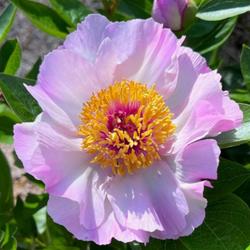
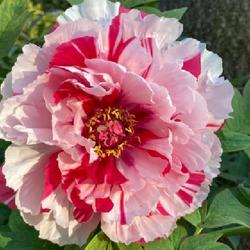
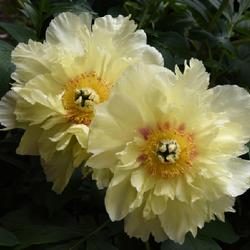
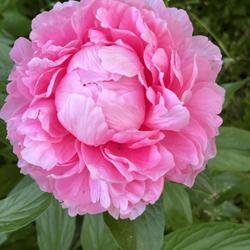
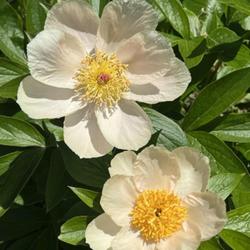
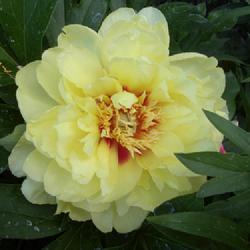
Peonies are renowned for their large, colorful, bowl-shaped, flowers and dark green foliage. Once established, these beauties are some of the longest-lived and most reliable garden plants.
About peonies
Peonies originate from Asia and have been grown for thousands of years as ornamental, as well as medicinal, plants. Known as the "King of Plants" in China, peonies have long been used historically in art and literature, as well as past and present ceremonies to symbolize love and passion (red), friendship (yellow), purity (white), health and prosperity (yellow). They are believed to be useful medicinally as an anti-inflammatory herb, and are renowned for their fragrance. In the 18th and 19th centuries peonies found their way to Europe and eventually America.
There are two basic types of peony plants: herbaceous and tree. Herbaceous, or garden, peonies (Paeonia hybrids) generally grow 1 to 4 feet tall (depending on the variety) and are hardy in USDA zones 3 to 8. In areas with freezing winter temperatures, the foliage dies back to the ground each winter, but the crown and roots survive. In mild climates plants can stay green year-round. Tree peonies (Paeonia suffruticosa) have woody stems and can grow to 6 feet tall. They are also hardy to zone 3, however they may need winter protection to survive in the coldest climates.
Choosing a Site to Plant and Grow Peonies
In most areas, plant peonies in a full sun location on well-drained soils. Peony roots will rot when planted in poorly drained soil. In hot summer climates, peonies survive best when planted where they receive part shade. The soil pH should be between 6 and 7. Space plants 1 to 5 feet apart, depending on the variety. Locate them away from windy areas but where the air freely flows so it will dry the foliage and help prevent disease. Amend the soil with compost before planting.
Dig a hole 18 inches wide and deep. Plant peonies so the crown (small, colored buds) is only 1 to 2 inches below the soil line. Backfill with soil mixed with compost, and water well. Although you may get a few flowers the first year, it may take 2 to 3 years for a new peony bush to flower fully.
Tree Peony Planting (Chinese and other types)
Tree peonies require different timing and site conditions than herbaceous peonies. Plant only in fall, beginning in September in zone 4 and continuing through November in zone 9. Avoid planting too early, as plants will produce leaves that die in cold weather; avoid planting too late (after soil temperature drops below 40°F), as plants won't develop root hairs needed for spring growth. Purchase only plants that are at least three years old from reputable nurseries, as younger plants often fail to survive transplanting.
Tree peonies need afternoon shade or day-long dappled shade, receiving no more than four hours of direct sunlight. This is especially important in hot climates. Soil must be fertile, humus-rich, and extremely well-drained; plant in raised beds, on slopes, or in locations with excellent drainage. Soil pH should be 6.5 to 7.0. Space plants 5 feet or more apart. Make planting holes 2 feet deep and 2 feet wide. Set plants deep enough that buds at the base are at least 2 inches below the soil surface. After backfilling, water thoroughly and apply a seaweed/fish fertilizer mix, then repeat fertilization every 3 to 4 weeks after spring flowering ends.
In warm climates, force dormancy in November by trimming off green leaves and withholding water through December. New leaves will emerge in January with blooms in February and March.
Ongoing Care of Peonies
Once established, peonies require minimal care. Apply a thin layer of compost each spring, followed by a 2-inch layer of mulch to retain moisture and control weeds. Water plants during the summer if rainfall is less than 1 inch per week. Stake tall varieties to keep them upright. After the first killing frost, cut stems back to an inch or two above soil line. The first winter, apply a 4- to 6-inch layer of protective mulch after the ground freezes, to prevent roots from being heaved out of the ground by alternate freezing and thawing. Once your peonies are established, annual winter mulching is not necessary. Remove this protective mulch in the spring.
To keep peony flowers from flopping or falling over, stake or cage the plant early in the season. The green foliage will camouflage the cage while keeping the flowers erect. Cut back and compost foliage after a frost. In mild winter areas, reduce watering and remove foliage in fall - even while it's still green - to induce dormancy. If peonies don't go through a dormant period in winter, they will flower poorly the next year.
To produce fewer but larger flowers, remove side buds, leaving only the center or terminal bud to open. Deadhead spent flowers. When cutting peony flowers for display indoors, cut buds before they unfold. Leave two thirds of the plant stem uncut so it will form buds for next year.
If your peonies are healthy, they should flower for years. However, if you notice a reduction in the amount of flowers, you may need to divide the plant. In fall, dig up the clump and separate it into 3 to 5 sections, each with healthy buds, and replant at the same depth in a full sun location.To produce fewer but larger flowers, remove side buds, leaving only the center or terminal bud to open. Deadhead spent flowers. When cutting peony flowers for display indoors, cut buds before they unfold. Leave two thirds of the plant stem uncut so it will form buds for next year.
One of the chief complaints about peonies is lack of flowering. This may be due to lack of sunlight, too much nitrogen fertilizer, overcrowding, competition from other trees and shrubs, planting crowns too deeply, or disease.
Critical to successful peony culture is to spray shoots for botrytis, a grey mold known to attack peony plants. If you encounter botrytis, apply a fungicide spray as soon as the red shoots push through the ground in spring. You may want to re-apply especially if your peonies are closely planted and if there is a wet spring which can cause botrytis to flourish. Taking care with this early culture will pay-off with avoiding black spot, bud blast, and other issues with foliage.
Tree Peony Pests and Winter Protection
Tree peonies are generally pest-resistant but can occasionally be affected by rose borers in the Northeast (detect by 1/16-inch holes in woody stems; poke wire inside to kill larvae and seal with clay or white glue) and by thrips and nematodes in other regions. In fall, remove all leaves from tree peonies, whether infected or not, to prevent botrytis from overwintering.
In cold areas, wrap tree peonies with burlap in late fall to protect the woody stems from drying out due to winter winds and cold temperatures, preventing winter injury.
Other Tree Peony Types
Besides Chinese tree peonies, several other types are cultivated. Japanese tree peonies have single or semidouble flowers, stay under 6 feet, and have little or no fragrance. European and American hybrid tree peonies feature yellow undertones and lemon-vanilla fragrance. Itoh or Intersectional hybrids combine tree peony flowers with herbaceous peony foliage that dies to the ground each fall; modern varieties include deep yellows and violets not seen in other tree peonies.
Groups of Peonies
Peony flowers are grouped according to flower shape. Single, semi-double, anemone, Japanese, and double flower forms are the most common. Although peonies only bloom for 1 to 2 weeks in early summer, by planting early-, mid-, and late-season varieties, you can extend the bloom time to four to six weeks. Our Peony Database lists the flower type as well as when in the season each variety will bloom. We have 1993 Peonies in our database!
There are hundreds of garden and tree peony varieties available. Some popular peony selections to try are:
Variety/ Flower/ Bloom Time/ Special Features
'Fern Leaf', Double red, Early, Fern leaf foliage
'Festiva Maxima', Double white, Early, White flowers splashed with red
'Nippon Beauty', Japanese, red, Late, Red petals fringed with yellow
'Pink Hawaiian Coral', Semi-double, coral, Early to mid-season, Fragrant rose-shaped flowers with yellow stamens
'President Lincoln', Single, red, Mid to late season, Large petals
'Sarah Bernhardt', Double rose, Mid-season, Rose flowers fringed in pink
'Golden Bowl', Tree Single, yellow, Mid-season, Scarlet flares on yellow petals
'Hana Kisoi', Tree Semi-double, pink, Early, Large cherry pink blooms
'Rimpo' Tree Semi-double, red, Early, Deep red bloom and yellow stamens
'Satin Rouge' Tree Double, red, Mid-season to late, Fragrant, old French variety
Special Features of Peonies
Easy care/low maintenance
Fragrant
Good for cut flowers
Frequently Asked Questions about Peonies
Do ants have to open the buds, and are wasps on the buds doing harm?
No to both, and it is worth being clear about it because the ant story is the most durable myth in gardening.
Peony buds secrete a sugary liquid from small glands on the outside of the sepals. Ants come for it, as they will for any free source of sugar. They do not open the bud, they are not needed for the bud to open, and a peony grown where there are no ants at all flowers perfectly well. What the ants may do, and this is the sensible version of the story, is harass some of the small insects that would otherwise feed on the developing bud, which is a modest benefit and a good enough reason to leave them alone.
Wasps and hornets are after exactly the same sugar, and they are not damaging the buds. They are worth having in a garden, though more for what they hunt than for what they pollinate: social wasps take very large numbers of caterpillars and other insects to feed their young.
Where they do matter is to you, and this is worth taking seriously. A peony covered in hornets or yellowjackets is a genuine hazard when you are leaning in to cut buds or gather flowers. Work early in the morning or at dusk, when they are slow and most are not flying. Wear long sleeves. Do not swat at them, because a crushed wasp releases an alarm signal that brings others. And look around for the reason there are so many: an unusual number of wasps working one spot usually means a nest in the ground, a wall or a shed nearby, and the nest rather than the peony is the thing to deal with. Anyone who has ever had a serious reaction to a sting should not be doing this job at all, and a sting followed by swelling away from the site, difficulty breathing or faintness is an emergency rather than a wait and see.
If you cut flowers for the house, ants come indoors with them. Cut in bud, hold the stems upside down and shake, then swish the heads briefly in a bucket of water before they come inside.
The buds form and then dry up, brown off, or simply never open. Why?
This is called bud blast, and it is a symptom with several causes rather than a disease. Work down this list in order, because it is arranged by how often each turns out to be the answer.
- The plant is too deep. This is the first thing to check on any established peony that grows strongly and does not flower, and it is the answer more often than everything else on this list put together. The growth buds, called eyes, must sit no more than about two inches below the soil surface, and an inch is better in warm regions. Deeper than that and the plant makes leaves and no flowers. Scrape the soil away in fall and actually measure it. Soil settles, mulch accumulates, and every year of topdressing buries the crown a little further, so a peony that flowered well for a decade and then stopped has very often simply been mulched too deep.
- The plant is young or was recently moved. Two to three years to settle is normal, and a moved plant frequently sulks for a season.
- It has lost its sun. Peonies want six hours and more. The tree or shrub that was small when you planted it is the usual culprit, and the change is gradual enough that nobody notices.
- Late frost. Buds that reach pea or marble size and then dry, brown and stop are very often frost damaged. It hits the plants in the frost pocket and the ones in an open exposed position and spares those under an overhang or against a wall, so look at whether it is happening to some plants and not others. There is nothing to be done afterward, and where late frosts are routine the answer is later flowering cultivars and a sheltered site.
- Botrytis blight. In a wet spring this is the classic peony disease. Buds blacken and rot rather than drying, and in humid weather you can find a gray fuzzy growth on them. It also produces shoots that wilt and topple in spring with a brown rotted patch at the base, and dark blotches on the leaves. It lives on the debris of last year's plant.
- Thrips. These are minute insects that get down inside a developing bud and feed, and the damage they leave is silvered, streaked, browned or distorted petals with dark specks of excrement rather than a bud that fails completely. To check, tap a suspect bud sharply over a sheet of white paper and look for slivers that move. Damage shows up more obviously on white and pale pink flowers, partly a genuine preference and partly that the marks are simply visible on a pale petal and invisible on a dark red one.
- Too many buds, drought, or too much nitrogen. A healthy peony makes a large terminal bud and several small side buds, and dropping some of the side buds is normal. Heavy nitrogen produces lush foliage at the expense of flowers, and a plant that runs dry as the buds swell will abort some of them.
For botrytis, the whole answer is sanitation and air. Cut herbaceous peony stems to the ground in fall and take the material away rather than composting it. Pick off and discard blasted buds and blackened shoots as you see them. Do not mulch over the crown. Water at soil level rather than over the plant. Give the clump room and thin surrounding growth so it dries quickly after rain. For thrips, the honest answer is that they are difficult to reach, because the insect is inside the bud where a spray is not, and light infestations are best tolerated on a plant that flowers for two weeks a year.
On spraying, three cautions. A peony in bud and flower is heavily visited by bees, and nothing should be applied to open flowers. Insecticidal soap and neem oil both kill bees on contact while wet, and both are pesticides subject to their labels regardless of how mild they sound: the label must name the plant and the problem, the stated rate is a maximum, and nothing goes on a wilted plant or in hot sun. Broad spectrum insecticides are worse than useless here, since they kill the predatory mites and pirate bugs that keep thrips in check. And a monthly foliar spray of seaweed will do nothing whatever for thrips; it is a tonic in search of a problem.
The petals fall within days of the flowers opening. Can I stop that?
Not entirely, but some of this is the plant and some of it is under your control.
What is fixed: a herbaceous peony flowers for somewhere between seven and ten days, and the big double flowers shatter when they are finished. That is the plant.
What you can change:
- Heat is the main variable. Above the mid eighties, peony flowers open fast and go over faster. In a hot region, a site with full morning sun and shade from mid afternoon buys several days of flowering and better color, particularly on the dark reds, which scorch.
- Rain and overhead watering. A full double flower holds a remarkable weight of water, which flattens the stem and knocks the petals off. Water at the base, and give heavy cultivars support.
- Support, installed early. A grow-through grid or a hoop set over the crown in early spring, when the shoots are a few inches high, lets the stems come up inside it. Fitted after they have flopped it is a bandage. Held upright, the flowers last longer and stay clean.
- The cultivars themselves. The heavy full doubles are the ones that shatter and flop. Single, semi double, Japanese and anemone forms hold their petals better, stand without staking, and stand up to rain far better. Intersectional peonies, the cross between herbaceous and tree peonies, have notably strong stems and a longer season of bloom.
The real answer to "how do I stop this happening again" is to stop asking one plant to do it. Peony cultivars are classified as early, midseason and late, and a garden with all three flowers for something like six weeks instead of ten days. Add a tree peony, which starts before all of them.
And cut some for the house. Cut when the bud is colored and feels like a firm marshmallow, before it opens. In water indoors those buds open over several days and last the better part of a week, and cut buds can be held dry in a refrigerator for weeks and brought out later. Deadhead what remains outside once it has shattered, cutting back to a strong leaf, which tidies the plant and stops it putting anything into seed.
What should I feed a peony? Do coffee grounds or banana peels do anything?
Take the kitchen scraps first, since the answer is a clear no. Banana peels are not a potassium fertilizer: a peel laid on the soil or buried by a plant releases very little of anything on any useful timescale. Coffee grounds are not a fertilizer either; they are a low nitrogen organic material, they are not usefully acidic once brewed, and spread as a layer they mat together into a crust that sheds water rather than letting it through. Both are genuinely useful materials in a compost heap, mixed with plenty of other things and turned. That is where to put them.
What peonies actually want is very little. They are long lived plants that resent being pushed. Too much nitrogen is the classic peony mistake and it produces exactly what you do not want: soft, tall, heavy foliage, weak stems that flop, fewer flowers, and a plant that stays wet in the middle and gets botrytis.
A sensible routine: an inch of good compost or thoroughly rotted manure spread around the plant in early spring, kept off the crown itself, does most of what is needed. If you use a granular fertilizer, choose one that is not nitrogen heavy, apply it as growth starts in spring and optionally again just after flowering when next year's buds are being formed, at the rate on the label, spread over the root area rather than heaped at the stems, and watered in. Bonemeal is the traditional recommendation and it is mostly phosphorus, which the great majority of garden soils already hold in ample supply, so it is often doing nothing; it also has a strong habit of attracting dogs to dig up whatever you have just planted. A soil test through your county extension office is what turns all of this from guesswork into a decision, and it is inexpensive.
One peony specific warning about mulch: never pile it over the center of the plant, because burying the eyes is precisely what stops it flowering, and a couple of years of enthusiastic mulching will do it. Keep it as a ring, clear of the crown, and rake it back in early spring.
An acid-loving-plant fertilizer was used on my new peonies by mistake. Did it damage them?
Almost certainly not, and it is very unlikely to be what caused any poor performance.
The acidifying fertilizers sold for azaleas, camellias and other acid loving plants both feed the plant and push soil pH downward. They are not the right routine feed for peonies, which prefer the near neutral range, but one or two applications at label rate on a plant growing in normal garden soil is a mismatch rather than an injury. Rain leaches the effect out of the topsoil over a season, and herbaceous peonies replace their foliage from the ground each spring in any case, so nothing carries over.
What does explain a new peony that grows modestly and does not flower is the plant's own timetable: a peony may give a few flowers in its first year but generally takes two to three years to flower fully. The one planting error genuinely worth checking is depth, the classic cause of a peony that grows leaves for years and never blooms. A dry first summer is the other likely culprit, since newly planted peonies have small root systems and suffer in drought far more than established ones.
Practically, do not add anything else on a guess. If you are concerned about soil pH, a soil test is inexpensive and is the only way to know whether it has actually moved; correct it only on the test's recommendation, following the label directions for whatever amendment is advised. Otherwise water through dry spells, top-dress with compost in spring, keep mulch clear of the crown, and give the plant the time it needs.
My new peony is wilting in good soil over heavy clay. Is it thirsty?
Judge by the soil, not the calendar. Push a finger down two or three inches; if it is damp, do not water. When you do, take your time over it and let the water sink in properly rather than running off, then dig a small hole six hours later and see how far down it actually reached, which is usually a surprise. Deep and infrequent beats a daily sprinkle every time, because light watering keeps the roots at the surface.
Learn to read the wilt. A new plant that droops in the afternoon heat and recovers by evening is not short of water; that is transpiration outrunning a root system that has not yet grown. A plant still wilted first thing in the morning genuinely needs water. Watering the first sort makes it worse.
Now the part that explains this situation specifically. A pocket of good soil dug into thick clay is a bathtub. Water runs into it from the surrounding ground, cannot drain out through the clay floor, and stands around the roots, and the plant then wilts from drowning rather than from drought, which sends people out with a watering can and finishes the job. The mistake is not the good soil; it is that only the planting hole got it. The fix is to improve the whole bed rather than the hole, and to plant high: set the crown slightly proud of the surrounding grade, or build the bed up several inches, so surplus water has somewhere to go. On genuinely heavy ground, a raised bed for peonies is not extravagant.
Two other things that look like thirst. A newly planted bare root peony has storage roots and almost no fine feeding roots, so it wilts from an inability to take water up rather than from a shortage of it, and more water does not help. And a shoot that wilts and topples in spring with a soft brown patch at soil level is botrytis stem rot, not drought; cut it out at the base and remove it.
When can I plant or move a peony, how deep, and does it mind being near pines?
Fall is the right time, and there is a reason behind the tradition: early fall, once the heat has gone but with six weeks or so before the ground freezes, is when a peony makes roots. Plant bare root stock then, divide then, and move established plants then. Where the season is short, the first half of September is a better target than the end of it. Bare root peonies bought in spring are less predictable, because they miss that root-building window; if yours are healthy and firm with no mold or softness, plant them as soon as possible, keep the soil consistently moist through the first summer, and many will still establish, but fall planting gives better odds.
Planting depth is the thing to get right, and it is worth being obsessive about. Set divisions so the eyes sit one to two inches below the finished soil surface, and no deeper; in warm regions keep to about an inch. Firm the soil, water it, then check the depth again a few weeks later, because the ground settles and a plant that ends up three inches down is a plant that has been planted wrong. And do not dig a deep hole and refill it with rich amendment if your subsoil is heavy; that is the bathtub described above. Loosen a wide shallow area instead, a few feet across rather than eighteen inches deep, and mix compost through the whole of it.
Planting in June depends entirely on what you have bought. A peony growing in a nursery pot can go in at any point in the growing season, because you are not disturbing the roots; water it carefully through its first summer and it will be fine. A bare root peony in a bag is a different case: by late June it is not dormant, whatever the packaging implies, and it has almost certainly begun to sprout inside the bag. It cannot wait until fall in that state, so plant it immediately at the correct depth, shade it for two weeks, water it steadily, and accept that it will spend the season recovering. Bare root stock sold that late is generally not a good buy.
Moving an established plant: fall is much the best time, and it is easier than it sounds. Cut the foliage down first, dig a wide circle well outside the crown, lever the whole clump out, and wash the soil off with a hose so you can see what you are doing. Then cut it into pieces with three to five eyes and a decent set of storage roots each, discarding the old woody center, and replant at the correct depth. Peonies are one of the few perennials that genuinely resent disturbance, and each move costs a year or two of flowering, so it is worth doing thoroughly and not often. Moving in spring does work and is second best: go as early as you can, while growth is barely showing, take an enormous root ball, and accept the lost year of flowers. Put any support you intend to use into the ground at planting time, before the roots are in the way.
Near pines, acidity is not the problem people expect. Peonies are perfectly happy in slightly acid soil, so the pines will not poison the ground for them. What conifers genuinely do is cast dense year round shade, take a great deal of water out of the surrounding soil, and fill the top foot of it with fine roots, and any one of those will stop a peony flowering. Plant well outside the drip line, in a position with at least six hours of sun.
High elevation in the far north is excellent peony country. These are cold climate plants, hardy to zone three and beyond with a little snow cover, and they need a proper winter chill to flower well; it is the hot end of the range where they struggle, not the cold. The one thing to watch in a short high season is late spring frost catching the buds, so favor midseason and later cultivars and avoid the low frost pocket in the garden.
What if my peony is accidentally cut to the ground?
Established peony plants are remarkably resilient. If your herbaceous peony is accidentally mowed down or pruned heavily in the middle of the growing season, don't despair. The extensive root system should survive the damage. You may see new shoots emerge within weeks, or if the damage occurs late in summer, the plant may wait until spring to regenerate. Flowering may be reduced or absent the year of damage, but once the plant recovers its top growth, normal blooming should resume within one to two seasons.
Are peonies safe around children and pets?
Peonies are listed as toxic to dogs, cats and horses. The roots hold the most of the compound responsible, and the usual outcome of a dog chewing one is vomiting, diarrhea and general misery rather than anything worse, but it is enough to be worth a call to your vet or an animal poison line. The moment of risk is planting day, since a freshly buried division in loose soil is an invitation to a digging dog, and bonemeal makes that far worse.
No part of a peony is food. The plant has a long history in traditional medicine, which is not the same as being safe to take, and preparations made at home from the roots are a genuinely bad idea. Keep the divisions and the trimmings out of reach, and call a poison service rather than guessing if a child has eaten any part of one.