

Before a single plant even touches the ground in your garden, it would be wise to spend time preparing the soil. Your soil's health is the basis of the success or failure of your garden plants. Just like in the old saying, "An ounce of prevention is worth a pound of cure - if you prepare the soil properly now you'll have fewer weeds and diseases and better plant growth, flowering, and fruiting later.
Starting From ScratchIf you're gardening in an established garden plot, skip this section and go right to assessing the soil. For a new garden, here are the steps you'll need to follow to create a clean planting bed:
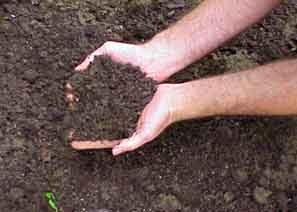
Once the soil is clear of debris, it's time to get your hands dirty and assess the health of your soil. A simple test will tell you what type of soil you have. Take a handful of moist soil and rub some between your fingers. If the feeling is slippery and smooth, your soil is mostly composed of clay. If the soil feels gritty, it's mostly sand.
To further determine the amount of sand, silt, and clay, try a jar test. Place a 1-inch layer of crushed garden soil -- free of roots, rocks, and debris -- in a one-quart glass jar that's two-thirds filled with water. Add one teaspoon of liquid soap and shake. Sand will settle in a few minutes. Silt will settle in 2 to 5 hours. The clay will settle in a few days. Measure each layer as it forms. By knowing the depth of each layer, you can determine which type of soil particle is dominant in your soil. For example, if the sand layer is 1/4 inch thick, sand makes up 25 percent of your soil.
Knowing the dominant type of soil you have tells you much about its performance. A clay soil will retain water and nutrients better than a sandy soil, but it's slow to dry out. Sandy soil is less fertile than clay soil but drains water faster and heats up quicker. Also, certain plants are better adapted to certain soils. For example, portulaca grows best in a sandy soil.
Testing the SoilOnce you know the type of soil you have, assess the nutrient composition with a soil test. You can purchase a do-it-yourself soil test kit that gives a snapshot picture of your soil's nutrient health, or you can send a soil sample off to a state university soil lab or a private lab for a more extensive analysis. The results usually include levels of organic matter, pH, and major nutrients. If you are gardening in an urban area, you may want a special test for heavy metal contaminants.
Adding Organic MatterOrganic matter provides the essential building blocks of your soil. Adding organic matter annually is essential to your soil's health, fertility, and water drainage and retention. Organic matter can be in the form of compost, aged manure, grass clippings, shredded leaves, hay, or straw. Work the compost into the top 4 to 6 inches of soil with a spade or garden fork before planting.
Adding NutrientsSoil can't live on organic matter alone. Based on the soil test, add lime or sulfur to raise or lower the soil pH to the recommended level for most plants -- between 6.0 and 7.0. Add fertilizers containing nitrogen, phosphorus, and potassium as recommended. Organic fertilizers, such as soybean meal, have the advantage of breaking down slowly in the soil so they are available when plants need them. Chemical fertilizers, such as 10-10-10, offer a quick dose of readily available nutrients, but they don't last as long in the soil. Spread the nutrients on the top layers of the soil and work them in with a digging fork or soil rake.
Shaping the BedsOnce the soil is properly amended, it's time to get creative. Raised beds are a good solution for annual vegetable and flower gardens, especially if you have heavy clay soils. Soil formed into raised beds warms up faster and dries out quicker in spring, and the soil around the roots is less compacted. All of this means better plant growth.
To build a raised bed, mound soil 10 inches high in 3- to 4-foot-wide beds running as long as you wish. You can also get whimsical by creating oval, round, or even heart-shaped raised beds. Level the tops of beds with a soil rake or cultivator. Once the beds are made, you can feel confident planting seeds or transplants, knowing your soil is ready to support their growth.
