Plant Care Guides
Perennials | Bulbs | Trees and Shrubs | Vegetables | Fruits | Herbs
VegetablesAsparagusBean Broccoli Cabbage Sweet Corn Eggplant Okra Pepper Celery Lettuce Spinach Onion Pea Parsnip Potato Carrot Radish Turnip Tomato Sweet Potato Squash Pumpkin Melon Cucumber Brussels Sprouts Beet Chard Kale Leeks Kohlrabi Cauliflower Collards Garlic Artichokes Mesclun and Salad Greens |
Chard
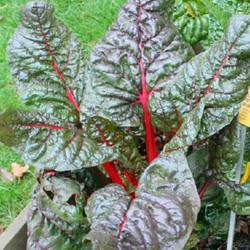
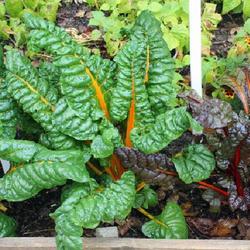
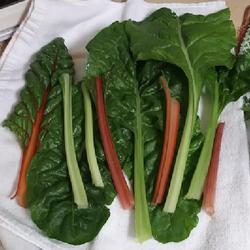
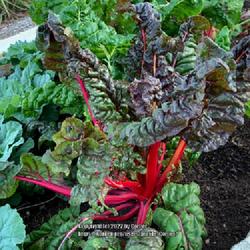
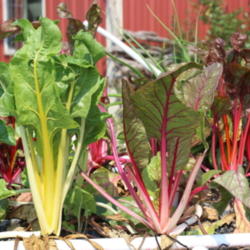
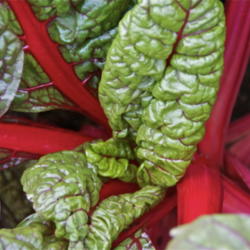
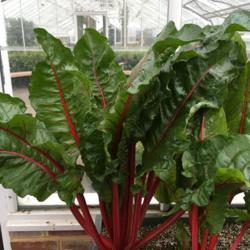
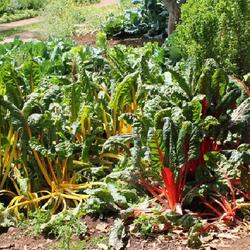
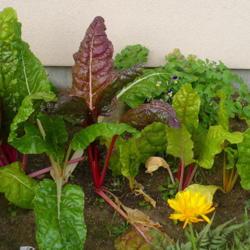
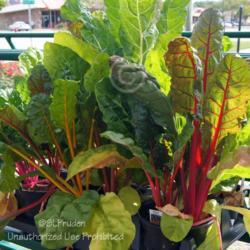
About This PlantChard is actually a bottomless beet. Although a member of the beet family, it doesn't develop bulbous roots. However, like beets, the large, fleshy stalks and broad, crisp leaves are packed with minerals. Chard comes in different colors. Varieties such as 'Lucullus' and 'Fordhook Giant' are green with white stems. 'Rhubarb' and 'Ruby Red' have bright red stems and reddish-green leaves. And 'Bright Lights' is like a sunset in your garden, with stems ranging from yellow to intense orange to fuchsia, purple, pink and white, with crinkly green leaves. All varieties of chard are good from a nutritional standpoint, being high in vitamin A.Site SelectionSelect a site with full sun to light shade and well-drained soil. Prepare the garden bed by using a garden fork or tiller to loosen the soil to a depth of 12 to 15 inches, then mix in a 2- to 4-inch layer of compost.Planting InstructionsSow chard seeds directly in the garden 2-3 weeks before the expected last spring frost date. If you really enjoy chard, make two plantings: one in early spring and another one in mid- or late summer. Gardeners in the Deep South and hot summer areas of the West and Southwest can plant in late summer and fall for fall and winter harvest, while gardeners in cool summer areas can make successive sowings throughout the summer. Sow seeds ¼- ½ inch deep in rows about 15 inches wide, scattering the seeds an inch or so apart. Thin the plants to four to five inches apart, then to 10 inches, using the second thinning as young greens.CareMake sure soil moisture stays consistent and give plants a side-dressing of fish emulsion or a complete organic fertilizer every 4-6 weeks. Contact your local county Cooperative Extension office for controls of common chard pests, such as leaf miners and flea beetles.HarvestingChard is ready for picking when the leaves are about 6 inches tall. Harvest the outer leaves, using a sharp knife to cut the stems off at the base. Floating row covers will help prolong fall harvest by giving the plants some frost protection. |