Plant Care Guides
Perennials | Bulbs | Trees and Shrubs | Vegetables | Fruits | Herbs
Trees and ShrubsButterfly BushCrab Apple Crape Myrtle Dogwood Holly Honeysuckle Rose Hydrangea Lilac Oleander Rhododendron Rose of Sharon Spirea Viburnum Wisteria Plumeria Hibiscus Beautyberry Gardenia Arborvitae Dwarf Alberta Spruce Smoketree / Smokebush Mockorange Heavenly Bamboo Ninebark |
Plumeria
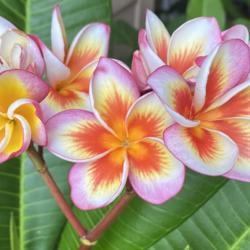
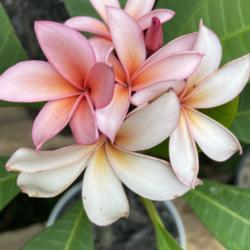
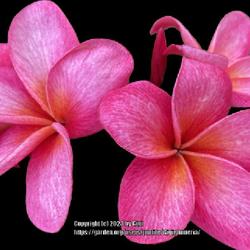
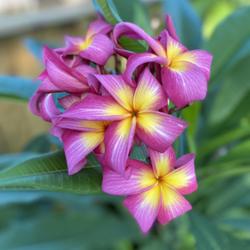
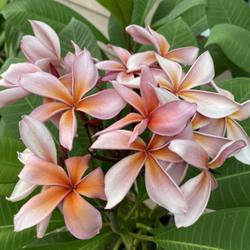
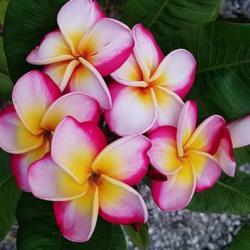
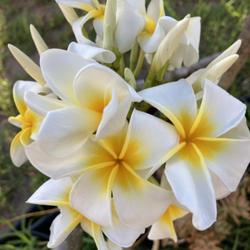
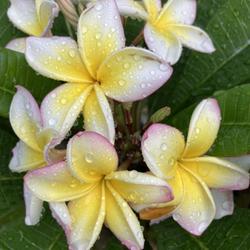
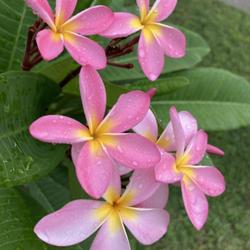
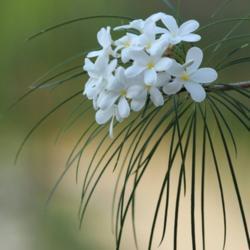
About This PlantPlumerias have thick stems, leathery leaves, and an abundance of flowers from early summer until fall. In the tropics some varieties can grow to a height of over 30 feet. Shorter varieties can be planted and pruned into a large hedge. Plumeria's waxy, 2- to 4-inch flowers are very fragrant, so plant trees close to windows or patios to enjoy the enticing fragrance. Flower colors include pink, red, white, and yellow. Plumerias are often planted in containers and make excellent cut flowers.Special FeaturesFragrantGood for cut flowers Site SelectionSelect a site with full sun to light shade and well-drained soil.Planting InstructionsPlant in spring. Space plants 10 to 20 feet apart, depending on the expected mature size of the plant. Dig a hole only as deep as the root ball and 2 to 3 times as wide. If your soil is in very poor condition, amend the soil you've removed from the hole with a small amount of compost. Otherwise don't amend it at all. Carefully remove the plant from the container and set it in the hole. Fill the hole half full with soil, then water it well to settle the soil and eliminate air pockets. Let the water drain, then fill the remainder of hole with soil and water thoroughly.CarePlumerias require at least 1 inch of rain (or equivalent watering) each week. More water may be required for plumerias growing in containers, but don't overwater or the trunks will rot. Feed plants twice a month during the growing season with a high phosphorous fertilizer. Plumerias normally require little pruning, but any shaping should be done in spring. Plumerias are sensitive to cold and should be protected when temperatures dip into the 40Fs. Check periodically for pests such as spider mites, white flies, and mealybugs. Use a horticultural oil or insecticidal soap to control these pests. |