Plant Care Guides
Perennials | Bulbs | Trees and Shrubs | Vegetables | Fruits | Herbs
VegetablesAsparagusBean Broccoli Cabbage Sweet Corn Eggplant Okra Pepper Celery Lettuce Spinach Onion Pea Parsnip Potato Carrot Radish Turnip Tomato Sweet Potato Squash Pumpkin Melon Cucumber Brussels Sprouts Beet Chard Kale Leeks Kohlrabi Cauliflower Collards Garlic Artichokes Mesclun and Salad Greens |
Carrot
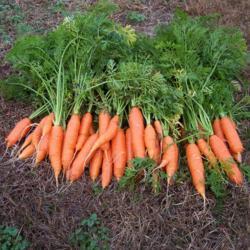
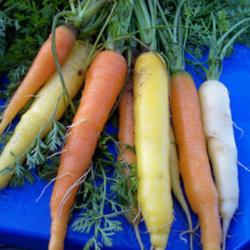
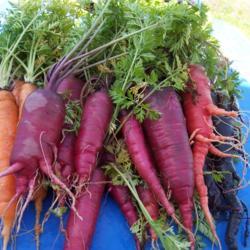
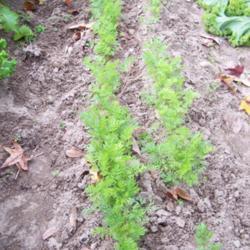
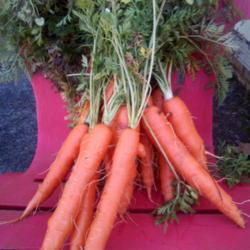
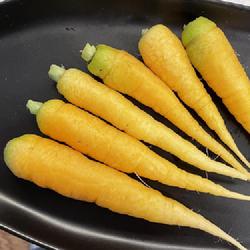
About This PlantBesides tasting good, carrots are packed with nutrients. The saying that carrots are good for your eyes isn't just an old wives's tale. Carrots contain a pigment called carotene that converts to vitamin A when you digest it. This vitamin helps us to see in reduced light and at night.Choose varieties according to use and when you want to harvest. To prolong the harvest, stagger your carrot seed starting, beginning three to four weeks before the average last spring frost date. Site SelectionSelect a site with full sun and deep, well-drained soil. Prepare the garden bed by using a garden fork or tiller to loosen the soil to a depth of 12 to 15 inches, then mix in a 2- to 4-inch layer of compost.Planting InstructionsTo prolong the harvest, stagger plantings at three-week intervals as the soil temperatures rise. Work the carrot seedbed well with a tiller or hoe to break up any soil clumps. Remove all rocks and stones. Sprinkle a thin layer of wood ashes over the seedbed to add potassium to the soil for sweeter carrots. Work the ashes into the top 4 inches of the bed. Then rake the beds smooth. Make furrows 1/4 inch deep, spaced 4 inches apart. Put a 1/4 inch layer of sifted compost or peat moss in the bottom of each furrow and sow the seeds, about 3 per inch, on top. Cover with a 1/2 inch layer of the same material. Lightly mulch the seedbed to retain moisture and prevent soil crusting.CareThin carrots to 3 inches apart. Weed carefully and cultivate lightly near the plants. Add mulch about six weeks after sowing to prevent exposing the roots to the sun, which gives them a bitter taste. Water plants during the summer if rainfall is less than 1 inch per week. Carrots are rarely bothered by pests. Contact your local county extension office for controls of common carrot pests, such as wireworms.HarvestingCarrots are generally ready for harvest in two to three months, when they are about 1/2 inch in diameter. Leave them in the ground until you need them. Drench the bed with water for easy harvesting. Pull the carrots by grabbing the greens at their crowns and gently tugging with a twisting motion. Harvest carrots for the root cellar after the first hard frost but before the ground freezes. |