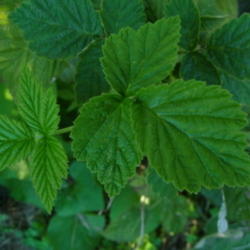
Select plants that are bare-root or rooted in soil.
Buy only certified virus-free plants. Black raspberries are especially vulnerable to disease, so plant resistant varieties when possible.
Summer-bearers should yield some berries in their second year and then full crops each succeeding summer. Everbearers may produce some fruit the first fall.
Preparation
Select a site in full sun; avoid frost pockets.
Eliminate perennial weeds, preferably with a cover crop planted 1 year in advance. Mix in 1 to 2 pounds of 10-10-10 fertilizer for every 20 feet of row or plenty of manure in early spring before you plant.
Destroy neighboring wild raspberries or blackberries to prevent disease from spreading to your plants.
Planting
Set plants in the garden an inch or two deeper than previously grown. Space plants 3 feet apart in rows 6 to 7 feet apart. Allow red and yellow raspberries to fill in a hedgerow not more than 2 feet wide (some purples will also create a hedgerow); blackcaps and most purples will remain as separate plants.
Cut black raspberry canes back to ground level; leave an 8-inch handle on others. Water well.
Care
Keep the aisles between rows tilled bare or plant grass and keep it mowed.
Cultivate to control weeds early the first summer, then mulch thickly. Once the plants are established, maintain a layer of mulch 4 to 8 inches deep year-round.
Dig or till up suckers that spread beyond row boundaries.
Erect a T-trellis if your canes don't stand up on their own.
Prune during the dormant season. Remove dead and weak canes; thin out the healthiest ones. Blackcaps must also be summer-topped.
See our article Fruit Pests and Diseases for controls of common raspberry pests such as cane borers, crown borer, and anthracnose disease.
Harvesting
Berries usually ripen over a period of 2 to 3 weeks during early summer; everbearers yield again for several weeks in early fall.
When they slide easily off the small white core, berries are ripe.
Pick into small containers so bottom berries are not crushed.