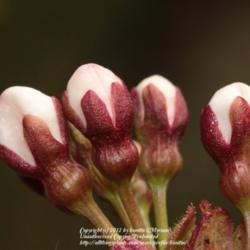
Cherry Essentials
by National Gardening Association Editors
Planning
- Tart cherries thrive in zones 4 to 6, sweet cherries in zones 5 to 7.
- Plant cherry trees in early spring.
- Tart cherries are self-fertile. Sweet cherries need a compatible variety for cross-pollination.
- Choose sweet cherry varieties that are especially adapted to your climate and resistant to the major diseases in your area.
- Standard-size trees start bearing in about their fourth year, dwarf trees in about their third year.
- One mature, standard-size tart or sweet cherry tree will produce 30 to 50 quarts of cherries each year; a dwarf tree, about 10 to 15 quarts.
Preparation
- Choose a sunny site with good air circulation and deep, well-drained soil. Avoid low areas or places surrounded by buildings or shade trees, where cold air settles.
Planting
- Plant sweet cherries on standard rootstocks 35 to 40 feet apart; dwarfs, 5 to 10 feet apart. Space tart cherries on standard root stocks 20 to 25 feet apart; dwarfs, 8 to 10 feet apart.
- Set trees on standard rootstocks with the graft union a few inches below the soil level. Set trees on Colt dwarfing rootstock with the graft union several inches above the soil level.
Care
- Train dwarf tart cherry trees to a central leader. Train semi-dwarf or standard-size cherry trees to a modified leader.
- Prune trees every year in late winter to encourage the growth of new fruiting wood. Don't prune in the fall.
- Fertilize each spring until trees start to bear, then fertilize only after harvest each season.
- See our article Fruit Pests and Diseases for controls of common cherry pests such as plum curculio, cherry fruit fly, brown rot, and cherry leaf spot.
- Prevent birds from eating your harvest.
Harvesting
- The sugar content of cherries rises dramatically in the last few days of ripening, so wait until they turn fully red, black, or yellow (depending on the variety) before harvesting.
- Harvest as the cherries ripen over the course of about a week.
- Pick the cherries with the stems attached, being careful not to tear off the fruit spur that will produce fruit year after year.
| Table of Contents | Planting Cherries |