

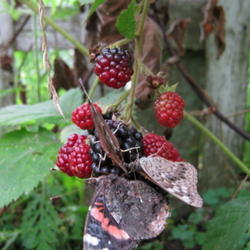
Photo courtesy of the USDA Agricultural Research Service
. Victory Seed Company has all the seeds you want for your best garden in 2024.
For 25 years, the family-owned Victory Seed Company has provided the highest quality vegetable, herb and flower seeds to families across the country. We are passionate about providing you the best seeds available that give excellent germination, robust plants, and the harvest you want. With a catalog of over a thousand varieties, we have everything, and our prices are the kinds that we'd want to pay. We have hundreds of yesterday's heirloom vegetables, as well as today's award winning hybrid selections. Get to know us by visiting our website and browsing through our online vegetable seed catalog.
| 1. Growing Blackberries |
| 2. Blackberry Essentials ← you're on this article right now |
| 3. Planting Blackberries |
| 4. Blackberry Care & Harvesting |
| 1. Growing Blackberries |
| 2. Blackberry Essentials ← you're on this article right now |
| 3. Planting Blackberries |
| 4. Blackberry Care & Harvesting |
